


A Tale of Two Rhone’s
The Rhone Valley is home to not one but two of Frances most famous wine regions, the Northern and Southern Rhone. The two wine regions might share the same river valley but they have many distinctive differences. Whilst there are undoubtably differences between the two regions, that we will look at in a moment, there are also a few common threads that stretch between the two regions. Almost 80% of the wines produced in the Rhone are red, with 15% of the wines being rose and just over 5% of the wines being made are white. The two regions also share several grape varieties: Syrah, Viognier, Marsanne and Roussanne.
The North
The Northern Rhone is the smaller of the two regions, producing roughly 7% of all the wines made in the Rhone Valley. With such small production the wines from the Northern Rhone can be quite expensive due to the high demand for these refined, complex and powerful red and white wines. The main, and only red, grape is Syrah, which takes center stage, whilst the white grapes represented here are Viognier, Marsanne and Roussanne. The white grapes are used to make white wines but also sometimes added to the reds in small quantities to add some additional aromatics, soften tannins and give a little more freshness to the red wines.
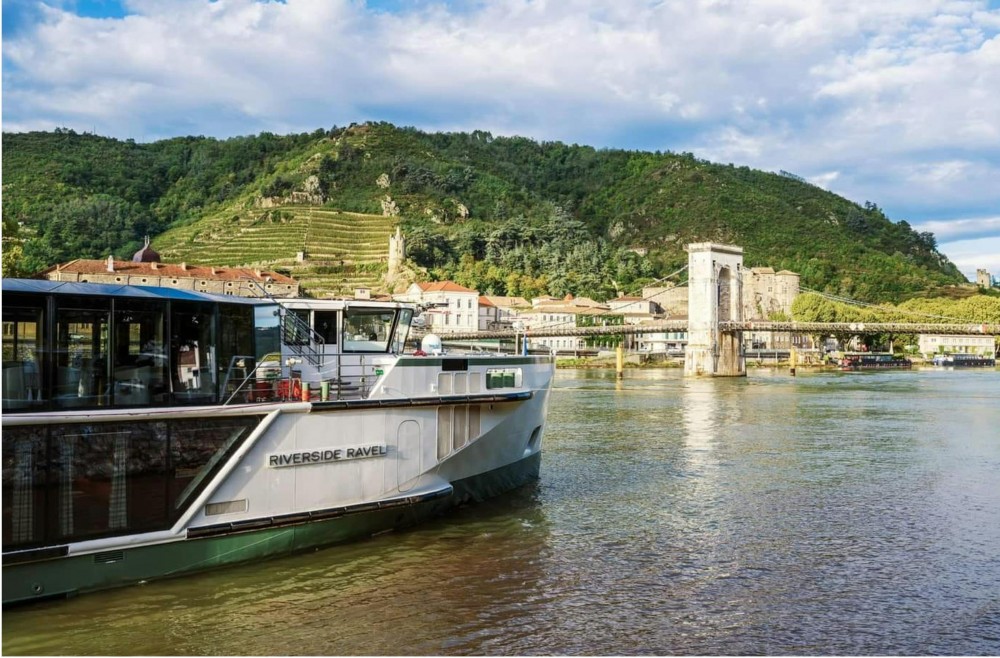
The vineyards in the Northern Rhone are all within sight of the river itself, usually on steep, south to eastern facing vineyards, planted on granite, mica, schist, clay and limestone soils. Due to the thin topsoil and steepness of many of the vineyards it is common to see the vineyards planted on terraces in order to preserve the plants and help minimise erosion. The Northern Rhone is also relatively cool when compared to the vineyards further south. The cooler climate gives the wine more freshness and slows the ripening period of the grapes, which enables the wines to have incredible complexity.
The red wines in the Northern Rhone are in high demand and typically deliver flavours of ripe black fruits, pepper, earth, a floral character and gamey, smokey bacon notes. These wines can be very long-lived and often need time to develop to their full potential. The white wines, whilst produced in much smaller quantities than the red, are well respected. These white wines are usually made up of blends from the 3 white grapes grown in the north. These wines are often have a weighty texture, are loaded with stone fruit flavours and can be beautifully aromatic, such as those made with Viognier, or rich and heady, such as those made with Marsanne and Roussanne.
The South
As the Rhone river flows south of the city of Valance the landscape opens up from the steep valley of the North to the rolling hills of the Southern Rhone wine region. As the vineyards are no longer penned into the river valley itself there is a far larger area planted with vines, resulting in a wide range of wine styles being produced. There is also a far greater array of grapes being grown here too, with a total of 27 different varieties planted across the region. The main red grapes are Grenache, Syrah and Mourvèdre, which make up the famous GSM red blend, but it is not uncommon to find other grapes, such as Cinsault, Carignan and Marselan to name just a few. Meanwhile, the white grapes of the north are also found here alongside Muscat, Grenache Blanc, Macabeu and several others.

The broader valley of the Southern Rhone is much flatter, with a wide array of soil types, including the famous rounded galet stones, which are a common feature of the vineyards in the south. With weather here is milder than the Northern Rhone, with a more Mederterainian climate that is ideal for growing grapes. This climate is moderated in the hottest months by the Mistral winds that blow through the vineyards and help cool the grapes so that they maintain their freshness. These winds have resulted in many vineyards planting their vines close to the ground to protect them from the strong winds.
Whilst the wine region is far larger than the north the top wines, made in the Southern Rhone Crus (such as Chateauneuf du Pape, Gigondas, Vaquaras and Cairanne) only take up 10% of wines made in the Rhone Valley, with far more, 56%, being produced under the Cote du Rhone or Cote du Rhone Villages appellations. It is not uncommon for the Cote du Rhone reds to be lighter in style, often medium bodied, than when compared to those produced in the more prestigious appellations, which are usually far richer and fuller. Meanwhile the whites can also range from light, fresh whites to intense and weighty wines or even the fortified sticky yet refreshing sweet wines of Muscat Beaumes de Vinese.
All this, without even mentioning the Roses wines made in Tavel and Lirac, shows how broad and wide ranging the styles of wines that can be found in the Rhone Valley. Truly there is something for everyone’s palate to be found here. If you want to explore more of the wines from the Rhone we have a wide selection that can be found here.